Luxury has never been defined solely by price. While premium materials, iconic architecture, and world-class amenities certainly contribute to the value of a residence, they do not tell the complete story. The true essence of prestige lies in how a home makes people feel. It is the emotional connection, the sense of accomplishment, and the identity it represents that transform a residence into a symbol of success.
Residential architecture has evolved beyond creating functional spaces. Today’s luxury developments are carefully designed experiences that appeal to the human mind as much as the eye. Every architectural decision—from the entrance sequence and façade to natural lighting, proportions, and landscape—is crafted to influence perception, inspire confidence, and create lasting emotional value.
Understanding the psychology behind prestige reveals why certain homes become timeless landmarks while others remain ordinary structures. It explains why buyers often choose a home not only for its features but for the lifestyle, recognition, and personal meaning it offers.
Prestige Begins Before You Step Inside
The experience of a luxury residence starts long before someone enters the home. The first impression plays a powerful psychological role in shaping expectations.
A thoughtfully designed arrival experience immediately communicates exclusivity. A grand entrance, elegant landscaping, refined lighting, and a carefully curated drop-off zone establish a sense of importance. These elements create anticipation and reinforce the belief that what lies beyond is exceptional.
Human psychology naturally associates order, symmetry, and visual balance with quality and trust. When architecture presents clean proportions, harmonious materials, and timeless aesthetics, it creates an immediate perception of sophistication.
This initial emotional response often influences how every other aspect of the property is experienced.
Architecture as a Reflection of Identity
People rarely purchase luxury homes simply because they need additional space. More often, they buy homes that reflect who they are—or who they aspire to become.
A residence becomes an extension of personal identity.
Professionals, entrepreneurs, business owners, and successful families often seek homes that communicate achievement without unnecessary extravagance. Elegant architecture, understated luxury, and refined detailing allow homeowners to express confidence through design rather than excess.
Psychologists describe this as symbolic self-expression—the tendency for people to choose products and environments that reinforce their identity.
Luxury residences become personal statements.
They silently communicate values such as success, stability, taste, and aspiration.
This explains why premium residential architecture often emphasizes timeless elegance instead of short-lived design trends.
The Emotional Impact of Space
One of the most influential psychological elements in architecture is spatial perception.
Large open layouts naturally evoke feelings of freedom and possibility. Higher ceilings create a sense of grandeur while reducing feelings of confinement. Wide corridors and generous room proportions contribute to comfort and ease of movement.
Natural light has an equally significant effect.
Homes flooded with daylight improve mood, reduce stress, and create environments that feel healthier and more welcoming. Large windows also strengthen the connection between indoor living and outdoor surroundings, making spaces appear larger and more vibrant.
Luxury architecture intentionally maximizes these emotional benefits.
Instead of simply increasing square footage, it focuses on how spaces make people feel throughout the day.
The result is a home that supports both emotional well-being and everyday comfort.
Exclusivity Creates Desire
Prestige is closely linked to exclusivity.
Psychological research consistently shows that people assign greater value to things that are rare or difficult to obtain. This principle applies strongly to residential real estate.
Limited-edition residences, boutique developments, premium locations, and thoughtfully planned communities naturally generate stronger emotional appeal.
Scarcity enhances desirability.
When buyers know that only a select number of residences offer a particular view, layout, or lifestyle, the perceived value increases significantly.
This is why many luxury developments intentionally prioritize quality over quantity.
Rather than maximizing the number of apartments, they focus on creating unique living experiences that cannot easily be replicated elsewhere.
Materials That Communicate Quality
Luxury is often experienced through touch as much as sight.
Natural stone flooring, handcrafted wood finishes, premium metals, textured surfaces, and carefully selected materials all influence subconscious perception.
High-quality materials create confidence.
Even without consciously analyzing individual details, residents instinctively recognize craftsmanship and durability.
These subtle sensory experiences contribute to what psychologists call perceived value—the belief that something possesses superior quality based on multiple sensory cues.
Luxury architecture carefully orchestrates these details to create environments that feel authentic, refined, and enduring.
The goal is not simply visual beauty but emotional reassurance.
Privacy as a Modern Luxury
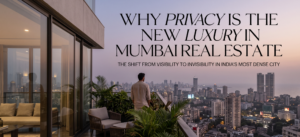
In today’s increasingly connected world, privacy has become one of the most valuable aspects of premium living.
Luxury architecture acknowledges this shift by creating spaces that offer peace, security, and personal retreat.
Private elevators, limited residences per floor, landscaped buffers, thoughtfully positioned balconies, sound insulation, and intelligent layouts all contribute to a greater sense of comfort.
Psychologically, privacy provides more than convenience.
It creates a feeling of control over one’s environment, which significantly reduces stress and enhances overall satisfaction.
This growing emphasis on personal space explains why modern luxury developments increasingly prioritize low-density living over maximum occupancy.
Nature Enhances Prestige
Luxury living is no longer defined solely by built environments.
Access to nature has become equally important.
Research consistently shows that green spaces improve mental health, reduce anxiety, enhance creativity, and support physical well-being.
Architects now intentionally integrate landscaped gardens, water features, tree-lined pathways, rooftop greens, and panoramic views into residential developments.
These natural elements provide emotional restoration while increasing the perceived exclusivity of a property.
A residence surrounded by greenery offers more than visual beauty—it creates a daily experience of calm that residents increasingly value in fast-paced urban environments.
The integration of architecture and nature has become one of the defining characteristics of contemporary prestige.
Community Shapes Perception
Prestige is influenced not only by architecture but also by the people who share the environment.
Luxury developments often cultivate communities of like-minded residents who value privacy, quality, and refined living.
Shared amenities such as elegant clubhouses, wellness centers, business lounges, landscaped courtyards, and premium recreational facilities encourage meaningful interactions while maintaining exclusivity.
Psychologically, belonging to a respected community reinforces personal identity.
People derive confidence from environments where their values align with those around them.
This social dimension significantly enhances the long-term appeal of premium residential developments.
Timeless Design Builds Lasting Value
Trends constantly evolve.
What appears fashionable today may quickly become outdated.
Prestigious architecture avoids chasing temporary design movements.
Instead, it focuses on timeless principles including balanced proportions, enduring materials, functional layouts, and elegant simplicity.
Timeless architecture ages gracefully.
It maintains visual relevance for decades, preserving both emotional satisfaction and financial value.
Homeowners often feel greater pride in residences that remain beautiful regardless of changing trends.
This lasting appeal contributes significantly to the perception of prestige.
The Role of Storytelling in Luxury Architecture
Every iconic residence tells a story.
Some celebrate their connection to the city skyline.
Others emphasize craftsmanship, heritage, sustainability, or contemporary innovation.
These narratives create emotional meaning beyond physical design.
Buyers increasingly seek homes with purpose and identity.
When architecture communicates a compelling vision, residents feel connected to something larger than individual ownership.
Storytelling transforms buildings into destinations and homes into lifelong memories.
This emotional connection often becomes one of the strongest drivers of purchasing decisions.
Prestige Is an Experience, Not a Feature
The most successful luxury residences understand a simple truth.
Prestige cannot be added through expensive finishes alone.
It emerges from the seamless integration of architecture, emotion, functionality, nature, privacy, and community.
Every design choice contributes to an experience that feels thoughtful, elevated, and deeply personal.
From the first glimpse of the building to everyday moments spent enjoying natural light, peaceful landscapes, elegant interiors, and meaningful connections, luxury architecture quietly shapes how people think and feel.
Ultimately, prestige is not measured by square feet or price tags.
It is measured by the confidence a home inspires, the memories it nurtures, and the identity it helps its residents express.
As cities continue to evolve and buyer expectations become increasingly sophisticated, residential architecture will continue to move beyond aesthetics alone. The future of luxury lies in designing homes that understand human psychology—homes that inspire, comfort, and create a lasting sense of belonging.
Because the finest residences are never defined simply by what they contain.
They are defined by how they make people feel.