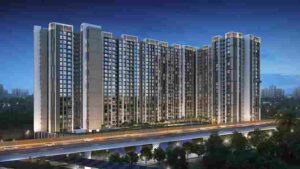
Buying a home today is not just about counting rooms or checking square footage. In fact, most buyers are looking for something bigger — a home that fits their dreams and their lifestyle. So, the best housing projects don’t just sell an apartment. Instead, they sell a feeling. That feeling comes from good design, solid construction, useful amenities, and a sense of comfort and trust. Ultimately, when developers focus on people first, they build communities that buyers are proud to call home.
What Today’s Homebuyers Really Want
Buyers today do a lot of homework before they buy. Thanks to online research, virtual tours, and reviews, choosing a home has become a well-thought-out decision, not a rushed one.
Because of this, price is no longer the only thing people look at. Instead, they also think about:
- The lifestyle a property offers
- How much the property might be worth later
- The builder’s reputation and construction quality
- How close it is to schools, offices, hospitals, and entertainment
- Whether the area is likely to grow in value
- How eco-friendly and energy-efficient the design is
- The community spaces and amenities on offer
As a result, a project that checks these boxes naturally feels more appealing. It’s no longer just a place to live — it becomes a source of confidence for one of the biggest decisions of a person’s life.
Why Feelings Matter So Much in Real Estate
Buying a home is one of the most emotional decisions a person will ever make. Unlike everyday shopping, it’s tied to dreams, family, and future plans.
For instance, buyers picture birthdays in the living room, kids growing up safely, and quiet evenings on the balcony. Because of this emotional pull, great developments stand apart from ordinary ones.
When people walk through a well-designed building, they don’t just check the measurements. Instead, they picture themselves living there. Every corner starts to feel like part of their story. Ultimately, that feeling is often what closes the deal.
First Impressions Count
In real estate, first impressions matter a lot. Even before stepping into an apartment, buyers start forming opinions — through the building’s architecture, its entrance, and its overall look and feel.
For example, a well-designed façade signals quality right away. Similarly, a welcoming lobby creates a sense of pride. Meanwhile, tidy gardens and open spaces show that real thought went into the planning.
On top of that, natural light, clean walkways, good materials, and thoughtfully designed common areas all show attention to detail. Together, these small details build trust before a single sales conversation even starts. In short, great buildings don’t need to say anything — they simply speak for themselves.
Designing for Everyday Life
The best homes aren’t just built to impress during a site visit — they’re built to be lived in every single day. That’s why good design focuses on making daily life easier and more enjoyable.
For instance, open layouts bring families closer together. Meanwhile, large windows let in more light and fresh air. Functional kitchens make cooking easier, and smart storage keeps clutter away. Private balconies, too, offer a quiet escape from busy city life.
Because every square foot is planned with a purpose, the best developers don’t just try to fit in more units — they focus on quality of life instead. As a result, these homes stay comfortable and useful for years to come.
Amenities Are More Than Just Extras
Amenities used to be seen as a luxury add-on. Today, though, they play a real role in everyday living.
Many modern buildings now include gardens, gyms, play areas for kids, walking tracks, community halls, indoor games, co-working spaces, meditation zones, rooftop lounges, and spaces for senior citizens. Because of this variety, residents naturally live healthier, more connected lives.
Families get to meet each other. Children get a safe place to play. Meanwhile, professionals find a quiet corner to work from home. Over time, residents build real relationships, and the building turns into a proper neighbourhood — not just a set of flats. Ultimately, this sense of community adds real value to a home.
Quality Builds Trust
Creating desire for a home is one thing, but that desire needs to be backed by real quality. After all, a great ad campaign might catch attention, but only strong construction earns lasting trust.
Buyers generally look for developers who keep their promises. They also value honesty throughout the buying process, and they appreciate when a project finishes on time. Naturally, they expect strong materials, careful engineering, and quality workmanship.
However, quality isn’t just about how things look. It also includes the plumbing, electrical work, waterproofing, safety systems, and how easy the building is to maintain later on. Because of this, developers who get these basics right build more than just strong buildings — they build a strong reputation, too. In the end, trust becomes one of the most valuable things in real estate.
Green Living Is the New Normal
More and more, buyers care about the environment. Thankfully, sustainable design benefits both homeowners and the planet.
Some common green features include:
- Rainwater harvesting
- Energy-efficient lighting
- Solar power in common areas
- Proper waste management
- Water-saving taps and fixtures
- Green landscaping
- Natural airflow and ventilation
Because these features lower running costs and improve daily living, sustainability is no longer a bonus feature — it’s now an expectation. Therefore, developments that build responsibly are the ones set up for long-term success.
Location Still Matters
Even the best-built home depends on where it stands. In fact, location remains one of the biggest factors in how desirable a property is.
Easy access to workplaces, schools, hospitals, malls, and public transport makes daily life easier. Similarly, well-connected areas tend to hold their value better over time.
That said, buyers today also look beyond convenience. They value quiet streets, green spaces, walkable neighbourhoods, and areas with strong future development plans. Altogether, the right location supports both a better lifestyle today and stronger returns tomorrow.
Homes That Fit Modern Life
Over the last decade, the way people live has changed a lot. Remote work, hybrid offices, online learning, and a growing focus on wellness have all reshaped what buyers expect from a home.
Because of this shift, modern developments now include flexible spaces built for these new needs — think study corners, work-from-home nooks, multipurpose rooms, strong internet connectivity, and smart home features.
These additions make everyday life more convenient while keeping homes useful well into the future. Ultimately, developers who plan ahead for changing lifestyles build homes that stay relevant for years.
More Than Just Buildings
The best real estate projects aren’t just towers of apartments — they’re communities. Through shared spaces and thoughtful design, these projects naturally bring people together.
Over time, residents become neighbours, and neighbours become friends. Families celebrate festivals together, children grow up together, and senior citizens get to stay socially active. Because of these connections, people feel far more attached to their homes.
In short, a building becomes more than bricks and concrete — it becomes a place where people truly belong.
Timeless Design Wins
Good architecture shouldn’t chase short-lived trends. Instead, the best buildings stay appealing for decades because they’re built on timeless design principles.
These include balanced proportions, quality materials, practical layouts, durable finishes, and thoughtful landscaping. Because these choices don’t go out of style, classic architecture keeps adding value long after construction wraps up. As a result, projects designed with longevity in mind age gracefully and stay attractive for generations to come.
The Journey Doesn’t End at Possession
For homeowners, getting the keys isn’t the finish line — it’s really just the beginning. That’s why the best developers keep supporting residents even after possession, through good maintenance, responsive service, and well-run facilities.
Because of this ongoing support, customer satisfaction stays high, and happy homeowners naturally recommend the project to others. In fact, word-of-mouth remains one of the strongest ways to build trust in real estate.
What’s Next for Homebuyers
As cities keep growing, buyers will increasingly look for homes that offer comfort, connectivity, sustainability, and meaningful experiences — all together.
Going forward, technology will keep making life more convenient, green practices will become standard, and community-focused planning will matter more than ever. Because of these shifts, developers who understand what buyers really want will be the ones who stand out in a crowded market.
In Short
Creating desire in real estate isn’t just about clever ads or premium pricing. Instead, it comes from countless thoughtful choices — from architecture and construction quality to amenities, sustainability, and a genuine understanding of how people want to live.
The most loved developments don’t just offer apartments. They create experiences, build confidence, foster community, and make room for life’s biggest moments.
Ultimately, a truly great building becomes more than concrete and steel. It becomes a place where dreams take shape, families grow, and futures are built — for today, tomorrow, and generations to come.